.png)
What “Unexplained Infertility” Actually Means
Raghad Altoubah- Reproductive & Fertility Medical Writer


You’ve done the tests.
Blood work, Hormone levels, Ultrasounds, Semen analysis. Maybe even an HSG to check the fallopian tubes.
You sit across from your doctor waiting for an answer … a reason.
Instead, you hear two words: “Unexplained Infertility”
It sounds vague. Frustrating. Almost dismissive.
But here’s the truth: it doesn’t mean nothing is wrong. And it definitely doesn’t mean nothing can be done.
Let’s break down what unexplained infertility really means: in clear, evidence-based terms.
➤ What Is Unexplained Infertility?
Medically, unexplained infertility is diagnosed when:
- Ovulation appears normal
- Fallopian tubes are open
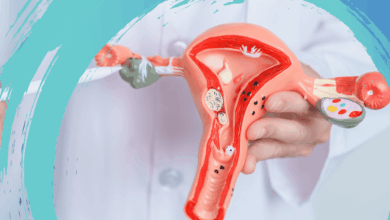
- Uterus looks structurally healthy
- Semen analysis is within normal limits
- Hormone levels are in the expected range
Yet pregnancy has not occurred after:
- 12 months of regular unprotected intercourse (if under 35)
- 6 months (if age 35 or older)
In other words: standard fertility testing does not reveal a clear cause.
Globally, Unexplained Infertility accounts for 15–30% of infertility cases, according to data from organizations like the World Health Organization and the American Society for Reproductive Medicine.
➤ What It Does Not Mean
Unexplained infertility does not mean:
- “It’s all in your head.”
- “You’re not trying hard enough.”
- “You just need to relax.”
- “There’s nothing wrong.”
It means our current diagnostic tools cannot detect the specific cause.
Medicine has limits. Fertility is complex. And some problems are too subtle for routine tests to pick up.
➤ Why Tests Can Look Normal ? But Pregnancy Still Doesn’t Happen
Conception requires a precise chain of biological events:
- High-quality egg develops
- Ovulation occurs at the right time
- Healthy sperm reaches the egg
- Fertilization happens
- Embryo develops properly
- Implantation occurs in the uterus
Even if each step appears “normal” individually, small inefficiencies in multiple steps can add up.
➤ Possible hidden factors include:
- Subtle egg quality issues
- Mild sperm functional problems (not visible on basic analysis)
- Early-stage endometriosis
- Mild tubal dysfunction
- Immunological factors
- Implantation abnormalities
- Genetic or chromosomal embryo issues
Most routine fertility testing does not measure these deeply.
So “unexplained” often means: not yet detectable.
➤ The Age Factor No One Likes to Talk About
If you are over 35, age alone may be a significant contributor.
Egg quality naturally declines over time. Even when cycles are regular and hormone tests look reassuring, chromosomal abnormalities in eggs increase with age.
This doesn’t mean pregnancy is impossible, but it does change probabilities.
Is There Still Hope? Absolutely.
Here’s the evidence-based reality:
Couples with unexplained infertility still have a meaningful chance of pregnancy, both naturally and with treatment.
➜ Treatment options may include:
1. Timed Intercourse: For younger couples, a period of continued trying may still result in pregnancy.
2. Ovulation Induction + IUI: Medications combined with intrauterine insemination (IUI) can increase monthly pregnancy rates.
3. IVF (In Vitro Fertilization): In vitro fertilization helps bypass many unknown factors by:
- Controlling egg development
- Ensuring fertilization
- Selecting embryos
- Monitoring early development
For many couples with unexplained infertility, IVF offers the highest success rates per cycle.
The World Health Organization defines Infertility as a disease of the Reproductive system. That matters. Language matters.
➤ What You Should Do Next?
If you’ve received this diagnosis, focus on strategy .. not emotion.
- Review your full evaluation with a fertility specialist.
- Ask whether advanced testing is appropriate.
- Discuss realistic timelines based on age.
- Understand success rates for each treatment option.
- Protect your mental health, stress does not cause infertility, but untreated stress can affect your wellbeing.
- And most importantly: avoid losing time to indecision.
Time is the one fertility factor that cannot be replaced.
“Unexplained Infertility” does not mean there is no cause.
It means medicine hasn’t pinpointed it … yet!
Science continues to evolve. Diagnostic tools improve. Treatments advance. Outcomes are better today than they were even a decade ago.
If you are navigating this diagnosis, you are not alone, and you are not without options.
Fertility is complex. But complexity is not the same as hopelessness.
And Unexplained does not mean untreatable.