.png)
What Ovulation Really Means: Understanding the Science Behind the Fertile Window
Raghad Altoubah- Reproductive & Fertility Medical Writer

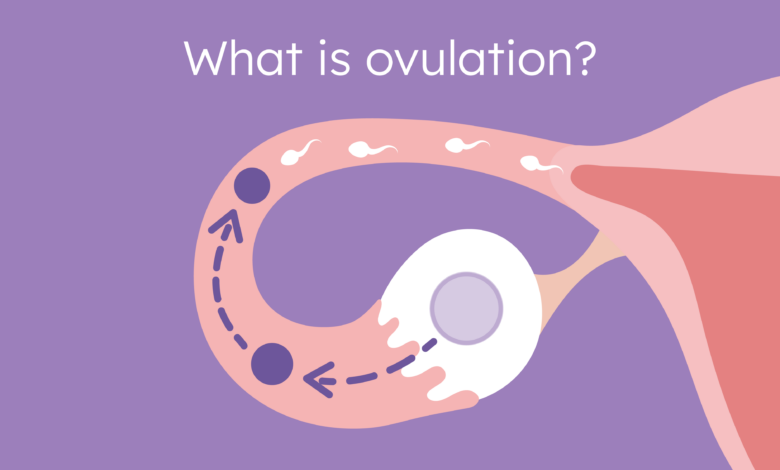
Many people use the word “Ovulation” to mean “the time you can get pregnant.”
But Ovulation is not just a date on a calendar. It is a complex biological event that reflects the health of the entire reproductive system.
Understanding what Ovulation truly means is essential, not only for those trying to Conceive, but also for those preventing Pregnancy, managing Menstrual symptoms, or monitoring Reproductive health.
According to the World Health Organization (WHO), Infertility affects approximately 1 in 6 people globally at some point in their lives.
Ovulation plays a central role in many of these cases.
This article explains what ovulation is, how it works, what affects it, and why it matters for overall health.
What Is Ovulation?
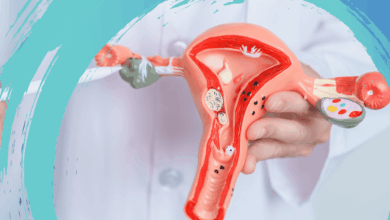
Ovulation is the release of a mature egg (ovum) from one of the ovaries. It usually happens once per menstrual cycle. On average, it happens on day 14 of a 28-day menstrual cycle (The exact timing varies).
If Sperm are present in the Reproductive tract when the egg is released, fertilization can occur.
If fertilization does not happen, the egg breaks down, and the Menstrual period follows about two weeks later.
Ovulation is not the same as menstruation.
Menstruation is the shedding of the uterine lining.
Ovulation happens earlier in the cycle and triggers the hormonal changes that prepare the body for a possible pregnancy.
How Ovulation Works: The Hormonal Process
The hypothalamus in the brain releases GnRH that signals the pituitary gland to release FSH which in return stimulates ovarian follicles (small sacs containing immature eggs) in one ovary to begin to mature.
After that only one of the developing follicles forms a fully mature egg.
Rising estrogen levels trigger a surge of luteinizing hormone (LH).
The LH surge causes the ovary to release the mature egg (this is ovulation.)
After ovulation, the empty follicle becomes the corpus luteum, which produces progesterone. Progesterone prepares the uterus for implantation.
If pregnancy does not occur, progesterone levels fall, and Menstruation begins.
This process is known as the hypothalamic-pituitary-ovarian axis and is essential for regular cycles.
When Does Ovulation Happen?
Ovulation typically occurs about 14 days before the next period, not necessarily on day 14 of the cycle.
While a 28-day cycle is often cited as “normal,” cycles between 21 and 35 days in adults are generally considered within a healthy range, according to the American Society for Reproductive Medicine (ASRM).
The fertile window includes:
- The five days before ovulation
- The day of ovulation
Sperm can survive up to five days in the Reproductive tract, while the Egg survives about 12–24 hours after release.
Why Ovulation Matters Beyond Pregnancy
Ovulation is not only about fertility. It is a key indicator of reproductive and hormonal health.
1. A Marker of Hormonal Balance
Regular ovulation suggests coordinated hormone signaling between the brain and ovaries.
2. Bone and Heart Health
Progesterone and estrogen, produced during ovulatory cycles, support bone density and cardiovascular health over time.
3. Mental and Physical Wellbeing
Hormonal fluctuations across an ovulatory cycle influence mood, sleep, metabolism, and energy levels.
Irregular or absent ovulation (anovulation) can be linked to conditions such as:
- Polycystic ovary syndrome (PCOS)
- Thyroid disorders
- High stress or low body weight
- Excessive exercise
- Perimenopause
According to clinical guidance from the European Society of Human Reproduction and Embryology (ESHRE), ovulatory disorders are among the leading causes of female infertility worldwide.
Common Myths About Ovulation
– Myth 1: Ovulation Always Happens on Day 14
Reality: Ovulation occurs about 14 days before the next period, not necessarily on day 14.
– Myth 2: You Can Only Get Pregnant on the Day of Ovulation
Reality: Pregnancy can occur during the five days before ovulation because sperm can survive inside the body.
– Myth 3: If You Have Periods, You Are Definitely Ovulating
Reality: Some cycles may involve bleeding without ovulation. Only hormone tracking or medical testing can confirm ovulation.
– Myth 4: Ovulation Is Always Noticeable
Reality: Some people notice symptoms such as mild pelvic pain or changes in cervical mucus, but many do not feel ovulation at all.
What Can Disrupt Ovulation?
Ovulation is sensitive to overall health and environmental factors.
How quickly a woman’s fertility declines will depend on a combination of genetic and lifestyle (e.g. smoking) factors.
Common disruptors include:
- Chronic stress
- Significant weight changes
- Eating disorders
- Endocrine disorders (e.g., thyroid imbalance)
- Certain medications
- Advancing age
Fertility declines gradually after age 30 and more significantly after 35 due to a decrease in egg quantity and quality. This pattern is supported by large population studies and professional society data, including ASRM guidelines.
Public Health Implications
Limited awareness of ovulation contributes to:
- Unintended pregnancies
- Delayed fertility assessment
- Misunderstanding of “normal” cycles
- Late diagnosis of ovulatory disorders
Improving menstrual and ovulation literacy is a public health priority.
The WHO recognizes Reproductive Health education as central to improving maternal health outcomes and empowering individuals to make informed decisions.
A Practical Call to Action
Understanding ovulation starts with observing your own cycle.
You can:
1. Track cycle length over several months
2. Notice patterns in symptoms
3. Seek reliable health education resources
4. Consult a qualified healthcare professional if patterns seem irregular
Ovulation is not just a fertility event, it is a vital sign of Reproductive Health.