.png)
How Lifestyle Truly Impacts Fertility
Raghad Altoubah- Reproductive & Fertility Medical Writer


Weight, Smoking, and Sleep are some of the factors no one wants to admit matter this much
Most people think Fertility is about luck, age, or genetics. That’s comforting!! Because it removes responsibility. The truth is harsher and more empowering at the same time: daily lifestyle choices quietly shape Reproductive Health long before pregnancy is even attempted.
If you’re over 25 and planning children “someday,” what you do now matters more than most medical interventions later.
Let’s break down the three lifestyle pillars with the strongest evidence behind them: weight, smoking, and sleep ! And why ignoring them costs more than people realize.
➤ Fertility Is Not Fragile, It’s Responsive
Human Fertility evolved to respond to environmental signals. When the body senses stress, toxins, or energy imbalance, reproduction becomes a lower priority. That applies to both women and men.
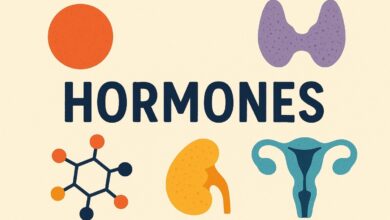
➜ Hormones don’t operate in isolation. They respond to:
- Energy availability
- Inflammation
- Oxygen Delivery
- Circadian Rhythm
Lifestyle is not a side note. It’s the operating system.
1. Weight: It’s Not About Look, It’s About Hormones
What actually happens in the body ?
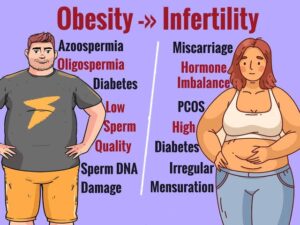
Body fat is hormonally active tissue. Too little or too much disrupts the delicate balance required for ovulation and sperm production.
★ In women:
- Excess weight increases insulin resistance → higher androgen levels → irregular or absent ovulation
- Underweight bodies suppress estrogen → missed periods, poor egg maturation
★ In men:
- Obesity lowers testosterone and sperm count
- Increased scrotal fat raises testicular temperature → poorer sperm quality
Even modest weight changes (5–10% of body weight) can restore ovulation or significantly improve sperm parameters.
The uncomfortable truth: There is no fertility-friendly way to outrun chronic metabolic imbalance with supplements, IVF, or “trying harder.” Medical treatment works with physiology, not against it.
2. Smoking: The Most Preventable Fertility Killer
Smoking ages the Reproductive system .. fast!!
➜ Cigarette smoke contains thousands of chemicals that:
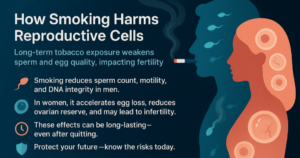
- Damage egg and sperm DNA
- Accelerate ovarian aging
- Reduce blood flow to reproductive organs
★ Women who smoke:
- Enter menopause earlier
- Have fewer viable eggs
- Face higher miscarriage rates
★ Men who smoke:
- Have lower sperm concentration and motility
- Show higher DNA fragmentation (linked to failed implantation and miscarriage)
“I quit when I get pregnant” is too late
Eggs and sperm take months to mature. Damage done today shows up in fertility outcomes 2–3 months later, sometimes longer.
There is no safe level of smoking for fertility. Not social smoking. Not vaping. Not “just weekends.”
3. Sleep: The Fertility Factor Everyone Underestimates
Hormones run on a clock
➜ Sleep regulates:
- Melatonin (protects eggs and sperm from oxidative damage)
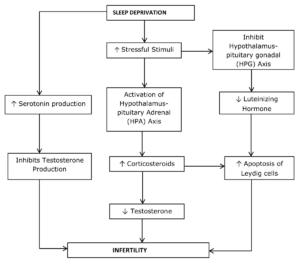
- Cortisol (stress hormone that suppresses reproduction)
- GnRH, LH, FSH (the core fertility hormones)
➜ Chronic sleep deprivation or irregular sleep:
- Disrupts ovulation
- Lowers testosterone
- Reduces sperm quality
- Increases time to pregnancy
Shift workers and people with inconsistent sleep schedules show measurably lower fertility rates.
You don’t “feel” hormonal disruption immediately. That’s why people ignore sleep — until fertility tests come back abnormal and no one can explain why.
Fertility Is a Team Sport .. Men Matter Too!!
This needs to be said clearly: Male lifestyle factors contribute to up to 50% of infertility cases.
Yet men are often told to “just show up” while women overhaul their lives. That’s outdated and scientifically wrong.
➤ Sperm Quality reflects:
Diet, Weight, Smoking, Alcohol, Sleep and Stress
Healthy pregnancy outcomes require two biologically prepared bodies, not one.
★ Lifestyle changes:
- Are low-cost
- Improve overall health
- Increase natural fertility
- Improve success rates of assisted reproduction if needed later
They don’t guarantee pregnancy, but ignoring them guarantees unnecessary barriers.
What Actually Works (Evidence-Based, Not Trendy)
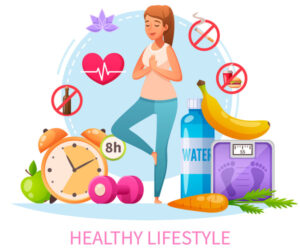
If you want a realistic fertility-supportive lifestyle, focus on consistency, not perfection:
★ Maintain a healthy weight range, not extreme dieting
★ Eliminate smoking completely
★ Prioritize 7–9 hours of regular sleep
★ Reduce alcohol
★ Manage chronic stress (not eliminate it — manage it)
★ No detox cleanses. No miracle supplements. No shortcuts.
Empowering people with honest, evidence-based information about lifestyle and fertility isn’t judgment, it’s prevention. And prevention remains the most effective reproductive health strategy we have.