.png)
Sperm Health: What Affects It (And What Doesn’t)
Raghad Altoubah- Reproductive & Fertility Medical Writer

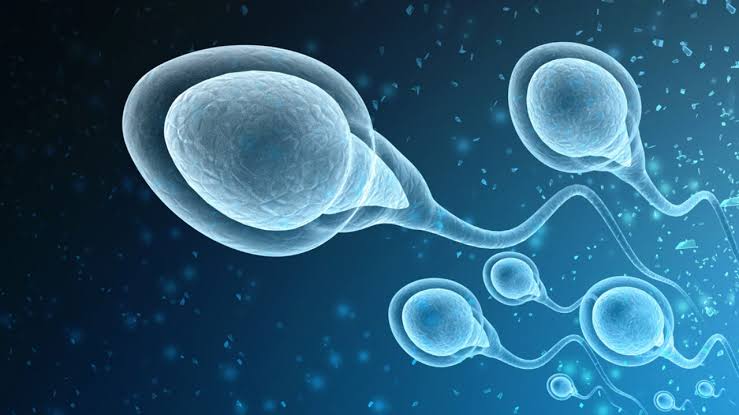
You don’t see it. You can’t feel it. And most men assume it’s fine! until a Fertility test says otherwise.
Sperm health is one of those silent factors that only gets attention when pregnancy doesn’t happen.
But here’s the truth: sperm quality reflects overall health more than most people realize.
Let’s break it down clearly!! what actually affects Sperm health, what’s exaggerated, and what’s simply myth.
What “Sperm Health” Really Means
When doctors evaluate sperm, they look at three main things:
- Count – How many sperm are present per milliliter of semen
- Motility – How well they swim
- Morphology – Whether they have a normal shape
According to the World Health Organization (WHO), these parameters determine whether semen falls within the normal reference range.
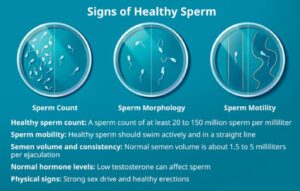
But numbers alone don’t tell the full story .. DNA integrity and Oxidative stress also matter.
Now let’s get into what truly influences these factors.
What Actually Affects Sperm Health
1. Smoking
This one is not subtle.
Cigarette smoking increases Oxidative stress, damages Sperm DNA, reduces Motility, and lowers overall sperm count.
The toxins don’t just affect lungs, they directly impact Testicular function.
The good news? Sperm regenerate roughly every 72–90 days. Quitting smoking can improve parameters within a few months.
2. Obesity
Excess body fat alters Hormone balance. Higher fat levels increase Estrogen and reduce Testosterone. That Hormonal shift can suppress sperm production.
Obesity is also linked to:
- Increased scrotal temperature
- Insulin resistance
- Chronic inflammation
All three impair Sperm quality.
3. Heat Exposure
Testicles are outside the body for a reason: Sperm production requires a temperature slightly lower than core body temperature.
Regular exposure to high heat such as : hot tubs, saunas, prolonged laptop use on the lap .. can reduce Sperm count temporarily.
But here’s the nuance: occasional heat exposure isn’t catastrophic. Chronic and repeated exposure is the issue.
4. Varicocele
A Varicocele is an enlargement of veins within the Scrotum. It’s one of the most common correctable causes of male infertility.
It increases Scrotal temperature and Oxidative stress, impairing Sperm production. Surgical correction can improve sperm parameters in selected cases.
5. Alcohol (Heavy Use)
Moderate alcohol consumption has minimal impact in most healthy men.
Heavy and chronic drinking, however:
- Lowers testosterone
- Impairs sperm production
- Increases abnormal forms
Dose matters. Frequency matters.
6. Poor Diet & Micronutrient Deficiency
Sperm are highly vulnerable to Oxidative damage.
Diets low in:
- Zinc
- Selenium
- Folate
- Omega-3 fatty acids
- Antioxidants (vitamin C, E)
can negatively impact sperm quality.
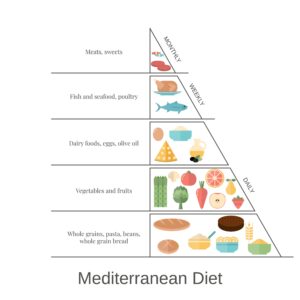
A Mediterranean-style diet consistently shows better fertility outcomes compared to processed, high-sugar diets.
7. Environmental Toxins
Pesticides, Heavy Metals, Endocrine-disrupting chemicals (like BPA), and Air Pollution are increasingly linked to declining Sperm quality worldwide.
While individual exposure varies, cumulative environmental burden plays a role.
8. Chronic Stress
Stress increases Cortisol. Elevated cortisol can suppress testosterone production.
Short-term stress? Probably minimal impact.
Chronic, unmanaged stress over months or years? That’s different.
What Doesn’t Affect Sperm Health (As Much As You Think)
Now let’s clear the myths.
Tight Underwear
No strong evidence shows that wearing briefs instead of boxers significantly harms fertility. Temperature differences are usually small and reversible.
Cell Phones in the Pocket
Despite popular belief, current human data are inconsistent. There’s no definitive evidence that keeping a phone in your pocket causes infertility.
Ejaculating Frequently
Frequent ejaculation does not “run out” sperm permanently. In fact, regular ejaculation may reduce oxidative stress in semen.
Abstinence longer than 7–10 days can actually reduce motility and increase DNA fragmentation.
Cycling
Moderate cycling does not cause infertility. Extreme, prolonged cycling with pressure injury might temporarily affect parameters, but it’s not a common cause.
Age: The Overlooked Factor
Men don’t experience a sudden Fertility cliff like women do, but sperm quality does gradually decline with age.
After age 40:
- DNA fragmentation increases
- Time to pregnancy may be longer
- Risk of certain genetic mutations slightly rises
Paternal age matters. Just more slowly.
When to Test Sperm Health
Consider semen analysis if:
- Pregnancy hasn’t occurred after 12 months (or 6 months if the female partner is over 35)
- There’s a history of varicocele
- Past infections affecting the testes
- Prior chemotherapy
- Erectile or ejaculation issues
Testing is simple, non-invasive, and informative.
The Bottom Line
Sperm health is not random. It reflects:
- Hormonal balance
- Metabolic health
- Environmental exposure
- Lifestyle habits
You can’t control everything. But you can control more than you think.
If there’s one takeaway: focus on overall health. When the body functions well, sperm usually follow.
Because fertility isn’t just about Reproduction. It’s a mirror of Systemic Health.